
Tooth Extraction in Huntsville, AL
When we look at nature, we can see how growth depends on knowing what to keep and what to let go of. A tree doesn’t cling to every leaf or branch forever. Over time, weakened or damaged parts lose their ability to support photosynthesis, nutrient flow, or water uptake. Instead of channeling its energy toward what no longer thrives, the tree releases these parts and reclaims their resources, directing strength toward something new. We take a similar approach when it comes to dentistry. When a tooth is too damaged to support your health, a tooth extraction helps protect the surrounding bone and tissue while allowing your mouth to heal and prepare for stronger solutions.
Do You Need a Tooth Extraction?
When a tooth becomes more of a liability than an asset to your health, removing it may be the most responsible choice. By removing a damaged or infected tooth, an extraction helps prevent further issues and supports long-term dental health.
You may need a tooth extraction for several reasons, including:
- Severe tooth decay or damage: When decay or injury destroys most of the tooth structure, we cannot restore it with fillings or crowns. In these cases, the only viable option is extraction.
- Infection or abscess: If infection reaches the tooth’s pulp or root and cannot be effectively treated, extracting the tooth helps stop the infection from spreading to surrounding areas.
- Advanced gum disease: Periodontal disease can irreversibly damage the jawbone and tissues, leading to loose teeth that sometimes must be removed to protect oral health.
- Impacted wisdom teeth: Wisdom teeth that fail to erupt properly can cause pain, swelling, crowding, or recurrent infections, necessitating extraction.
- Dental trauma: Teeth that are fractured or broken beyond repair may need to be removed to prevent ongoing pain and complications.
The thought of having a tooth removed can raise many questions, but extraction often provides important health benefits. It can relieve pain, prevent the spread of infection, and protect surrounding teeth and tissues from future damage. Most importantly, it creates an opportunity for restorative treatments that can preserve your oral health.
Simple Extraction vs. Surgical Tooth Extraction: What Are the Differences?
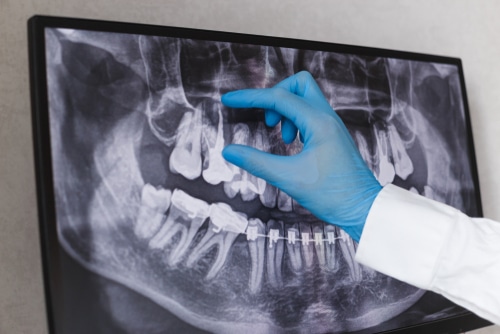
While extractions protect your oral health in the long run, not every procedure is the same. The type of extraction you may need depends on how accessible the tooth is and the condition it’s in.
- Simple extraction: If your tooth is fully visible and has erupted normally, we can usually remove it with a straightforward process. Using special instruments, your dentist gently loosens the tooth and lifts it out. We typically only need to use local anesthesia, which keeps you comfortable during the procedure.
- Surgical extraction: Sometimes, we need to use a more advanced approach. If a tooth breaks at the gum line, becomes impacted, or remains below the surface (as wisdom teeth often do), we perform a surgical extraction. In this procedure, we may make a small incision in the gum, remove a bit of bone, or section the tooth into smaller pieces. For these cases, we may recommend sedation or even general anesthesia to keep you relaxed and pain-free.
A Guide to Your Tooth Replacement Options
Once we remove a tooth, the next step is planning how to replace it. The right timing and method depend on your individual oral health. Factors such as bone density, the presence of infection, and whether you may require additional procedures, like bone grafting, affect the treatment timeline and determine when we can proceed with replacement.
You have several options for restoring a missing tooth. Traditional bridges and dentures remain effective choices, but Mini dental implants often provide the most long-term benefits. When a tooth is lost, the jawbone in that area no longer receives the natural stimulation that comes from chewing. Over time, this can cause the bone to shrink and weaken. Dental implants solve this problem by acting like artificial roots. They keep the jawbone active, preserve bone strength, and prevent changes in facial structure.
Implants also protect your overall dental alignment. By filling the gap left behind, they stop nearby teeth from drifting out of place. Dental implants help maintain a balanced bite and reduce the risk of further complications. In certain situations, we may place an implant immediately after the extraction. When the bone and gums are healthy, immediate placement is possible. If infection, bone loss, or gum disease is present, we may need to allow time for healing. In some cases, we perform a graft before placing the implant. This careful approach ensures the implant has a strong foundation and will last for many years.
Restore Your Oral Health at Smile Center of Huntsville
If you have a tooth that needs attention, the best place to start is with a consultation. At Smile Center of Huntsville, we’ll walk you through your options, explain what to expect, and recommend treatment that fits your needs. Our goal is to provide you with clear answers and supportive care so that you can feel confident about your oral health.
Contact us today to schedule your appointment and begin planning your path to a healthier smile.
Frequently Asked Questions
Recovery from a tooth extraction is a step-by-step process, and most people heal within a short period of time.
- First 24 to 48 hours: Pain and swelling usually peak, then start to improve. Medication, rest, and ice packs can help keep you comfortable.
- 1 to 2 weeks: The gum tissue begins to close and repair itself. A protective blood clot forms in the socket during this time to support healing.
Most patients are back to normal activities within a few days after a simple extraction. Surgical procedures may require a little more downtime.
By following our aftercare instructions, you can expect a successful recovery and lower the risk of complications. Healing times vary, but with proper care, most people return to their usual routines quickly.
You should wait until the numbness from anesthesia has worn off before eating so you don’t accidentally bite your cheek, tongue, or lips. During the first 24 to 48 hours, stick to liquids and very soft foods such as smoothies, broths, yogurt, or applesauce.
Avoid using straws since suction can disturb the protective blood clot. By days three to five, you can usually begin introducing softer solid foods like mashed potatoes, scrambled eggs, rice, or pasta. As you chew, take care to avoid the extraction site and follow any dietary guidelines your dentist provides to keep the area safe and healing properly.
You will not feel pain during a tooth extraction because we use local anesthesia to numb the area completely. We also offer sedation options such as oral conscious sedation or nitrous oxide to make the experience more comfortable. After the procedure, some soreness is normal as your mouth begins to heal.
Most people manage this with over-the-counter or prescribed pain medication, along with ice packs and rest. Discomfort should steadily improve within a few days. If pain becomes severe, lasts longer than a week, or is accompanied by symptoms like swelling, fever, or a bad taste in your mouth, it may signal a complication such as dry socket or infection. In that case, call us right away so we can provide the care you need.