
Oral Surgery in Huntsville, AL
Oral surgery is an important part of maintaining and restoring oral health. These treatments focus not just on the procedure itself, but on the healing and long-term stability they provide. Three words capture this purpose: renew, restore, rebuild. We renew health by removing infection, decay, or compromised teeth before they affect the surrounding tissues. We restore balance by strengthening the teeth, gums, and bone that support everyday function. Finally, we rebuild the foundation of the smile through advanced procedures, such as bone grafting and implant placement. These procedures allow us to protect what is healthy, intervene when needed, and create opportunities for a healthier, more stable smile moving forward.
When Oral Surgery Becomes Necessary
Certain oral health conditions require more than routine care. When problems develop deep within the teeth, gums, or jaw, oral surgery often becomes the most effective way to restore comfort, function, and stability.
We typically recommend surgical intervention when structural issues begin to interfere with daily life. Impacted teeth, advanced infection, or significant bone loss can disrupt eating, speaking, and overall well-being. In these cases, delaying treatment may lead to more serious complications. Oral surgery allows us to address the root of the problem directly, offering a long-term solution when other options are no longer sufficient.
Core Oral Surgery Treatments
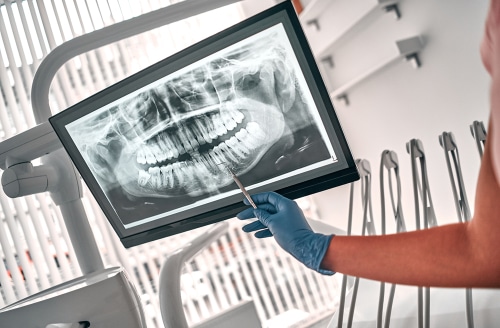
Tooth Extractions: Protecting Oral Health
Tooth extraction serves a clear purpose: it removes a tooth that poses a threat to your overall oral health. When damage, infection, or structural instability make saving the tooth impossible, we perform an extraction to relieve pain and stop the spread of disease.
We only recommend extraction after carefully evaluating the tooth and surrounding tissues. If decay extends too far for a filling, dental crown, or root canal to be effective, we may need to remove the tooth to protect your neighboring teeth and gums. Extraction may also be necessary when a deep infection cannot be cleared with medication or when gum disease has weakened the bone and ligaments that hold the tooth in place.
Our priority is always to preserve your natural teeth. When preservation is no longer possible, removing the problem tooth helps restore balance to your mouth and prevents further complications.
Bone Grafting: Strengthening the Foundation
Bone grafting helps restore areas of the jaw where bone loss has occurred, reinforcing the structure and creating a solid base for future dental treatments.
We may recommend bone grafting when there isn’t enough healthy bone to support a dental implant. This can happen due to tooth loss, gum disease, or natural bone resorption over time. Without proper support, placing an implant would be risky or impossible. Grafting material fills the space, encouraging your body to grow new bone and maintain the shape of your jaw.
During the procedure, we place grafting material directly into the area that needs reinforcement. This material may come from your own body, a donor, or a synthetic source. Over time, your natural bone fuses with the graft, creating a strong, healthy foundation for dental implants.
Sinus Lifts: Making Room for Implants
When there isn’t enough bone in the upper back jaw to support a dental implant, we may recommend a sinus lift. This procedure helps us safely place implants by adding bone just below the sinus cavity.
Tooth loss in the upper jaw often leads to bone resorption over time. In some cases, the sinus cavity naturally sits low, leaving little room to place an implant. During a sinus lift, we gently raise the sinus membrane and add bone graft material beneath it. By doing so, we create the height and stability needed to anchor an implant securely.
We typically suggest this procedure when the upper jaw has thinned or if your sinuses are positioned in a way that limits implant placement. After we complete the graft, your body gradually integrates the new material and grows healthy bone in the area, giving your implant the support it needs to succeed.
Dental Implants: Rebuilding Your Smile
Dental implants are often recommended for patients who need to replace missing teeth with a long-term, stable solution. Unlike removable dentures or traditional bridges, implants integrate with the jawbone, helping to prevent future bone loss.
When a tooth is lost, the bone that once supported it begins to shrink. Without the pressure and stimulation that come from chewing, the body gradually resorbs the bone. Over time, this can affect neighboring teeth, alter your bite, and change the shape of your face. Implants are the only tooth replacement option that helps prevent this type of bone loss.
To place an implant, we insert a small titanium post into the jawbone. This post acts as a replacement root. As the area heals, the surrounding bone fuses with the implant in a process called osseointegration. Once healed, the implant provides a secure foundation for a crown, bridge, or denture.
We recommend implants for patients who want to restore full function after tooth loss and maintain the health of their jawbone. Each case is carefully evaluated to ensure the implant has the support it needs to succeed.
How We Keep You Comfortable During Oral Surgery
We offer two sedation options to help you feel more at ease during oral surgery. The first is oral conscious sedation, which requires you to take a sedative pill before coming in for treatment. This option provides a deeper level of relaxation while still keeping you awake and able to respond to instructions.
For a lighter level of sedation, we also offer nitrous oxide, or laughing gas. Delivered through a small nose mask, it helps you feel calm and comfortable throughout the procedure. Both methods provide a smoother and more comfortable experience.
Restore Strength and Stability to Your Smile
Oral surgery is often an important part of restoring health, stability, and long-term function. When issues with the teeth, gums, or jaw can’t be resolved with routine care, surgical treatment allows us to address the problem directly and provide lasting solutions. From extractions to implant placement, every procedure is part of a larger effort to protect your oral health and rebuild a strong foundation.
Contact us today to schedule a consultation and discover how we can support your treatment goals.
Frequently Asked Questions
Yes. Removing a severely damaged or infected tooth stops the pain at its source by eliminating the problem entirely. In cases of advanced decay, infection, or impaction, extraction prevents the condition from worsening and protects surrounding teeth and tissues.
While some soreness is expected after the procedure, this discomfort is temporary and part of the natural healing process. Most patients experience noticeable relief soon after the extraction.
Recovery time depends on the procedure. For a simple tooth extraction, most patients feel well enough to resume normal activities within two to three days. More involved surgeries, such as bone grafting or sinus lifts, may require one to two weeks for initial recovery, with full healing taking several weeks or more.
If your treatment plan includes tooth replacement with dental implants, healing time will vary depending on the type of implant. Patients who receive mini dental implants often experience a shorter recovery period compared to traditional implants. Because mini implants are smaller and require a less invasive placement process, they typically lead to reduced post-operative discomfort.
The cost of oral surgery varies based on the type of procedure, the amount of preparation required, and the number of visits involved. During your consultation, we will evaluate your condition, create a personalized treatment plan, and provide a detailed cost estimate.
To make care more accessible, we also partner with several third-party financing providers. If needed, we can help you explore flexible payment options that fit your budget.